

Railway Sector
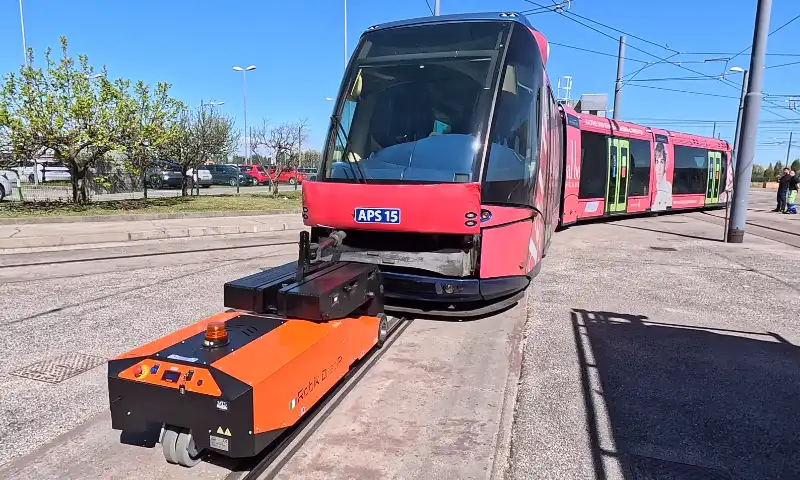
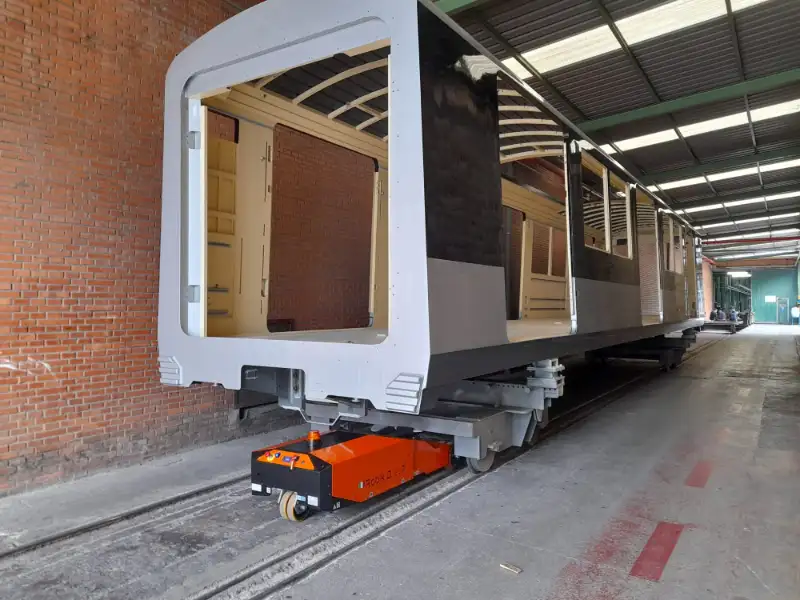
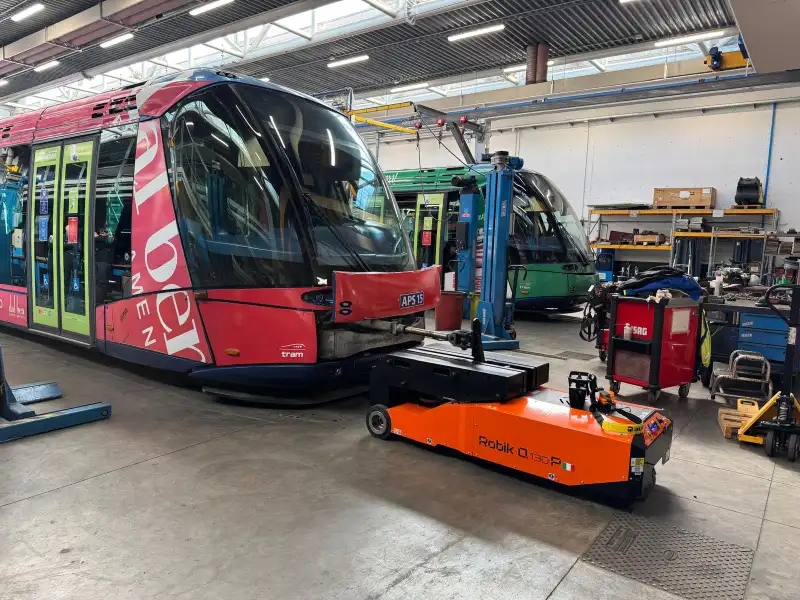
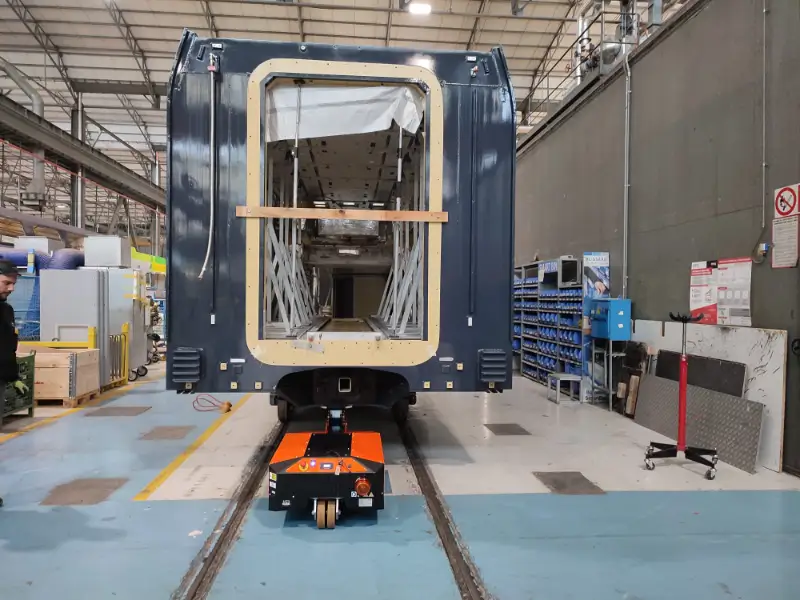
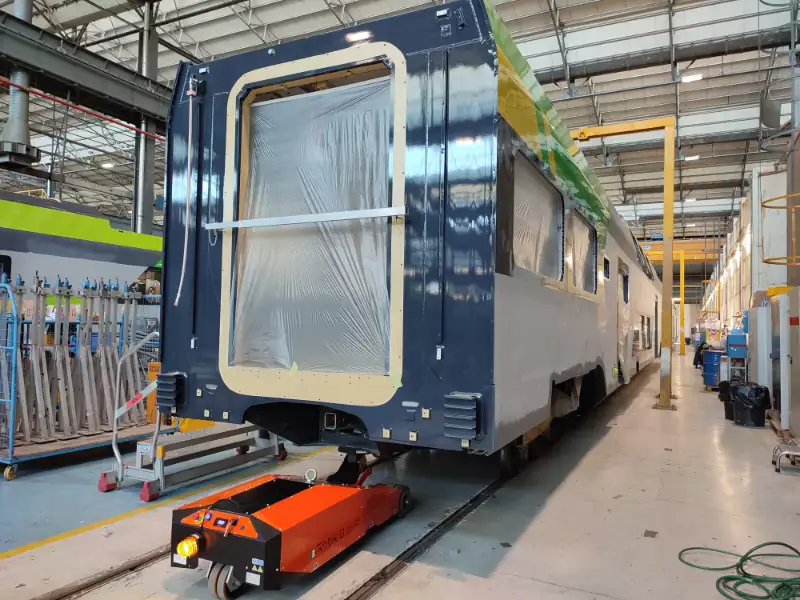
The handling of railway wagons, passenger coaches and railway components requires safe, precise solutions capable of moving heavy loads on rails.
Vehicle weight, rolling resistance, gradients and track conditions are key factors in calculating the required tractive force and selecting the most suitable handling system.
FAQ – Frequently Asked Questions
The force required to move a railway wagon is not directly equal to its weight. On rails, the main factors include rolling resistance, gradients, track conditions, wheel characteristics and the force required to start the load moving. For this reason, the towing system must be sized according to the actual conditions of the application.
In certain applications, a railway wagon can be moved without using a shunting locomotive by means of a suitably sized electric towing system. The solution must be assessed according to the weight of the wagon, rolling resistance, gradients, track conditions and the force required to start the load moving.
Within workshops, industrial facilities and maintenance areas, railway wagons and passenger coaches can be moved at low speed using electric towing systems. The solution must be sized according to the vehicle being moved, track characteristics, gradients and the frequency of movements between different operational areas.


Related articles

How Much Force Is Required to Move a Railway Wagon?
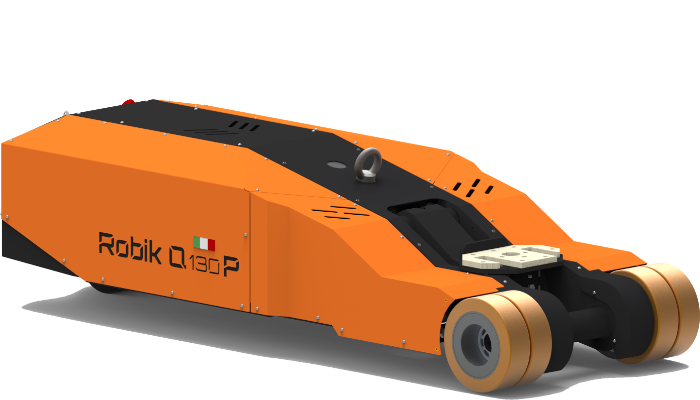
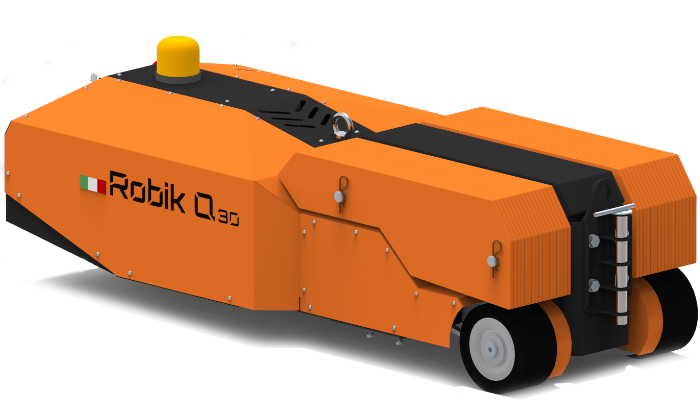
Case history: a Robik Q130 configured with ballast and a lifting plate to adapt tractive force and handling

How to Move Railway Wagons and Passenger Coaches Inside a Workshop
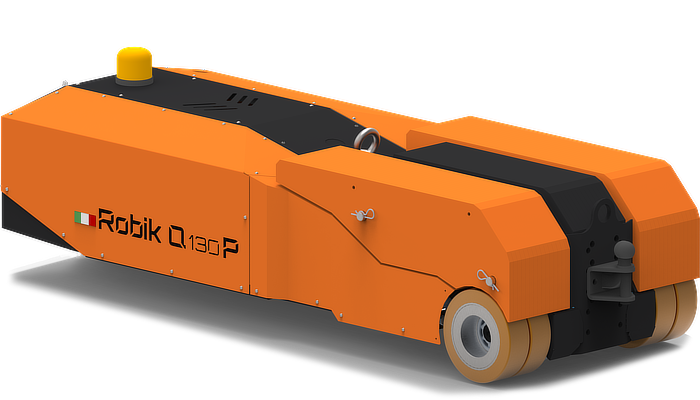
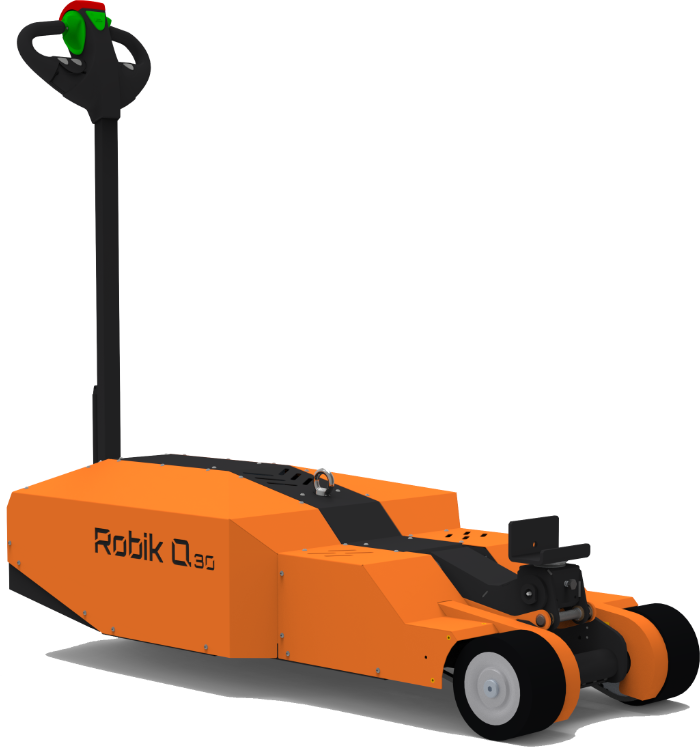
Case history: controlled movement of a 40-tonne railway wagon using a compact, radio-controlled electric system designed to operate

How to Move a Railway Wagon Without Using a Forklift
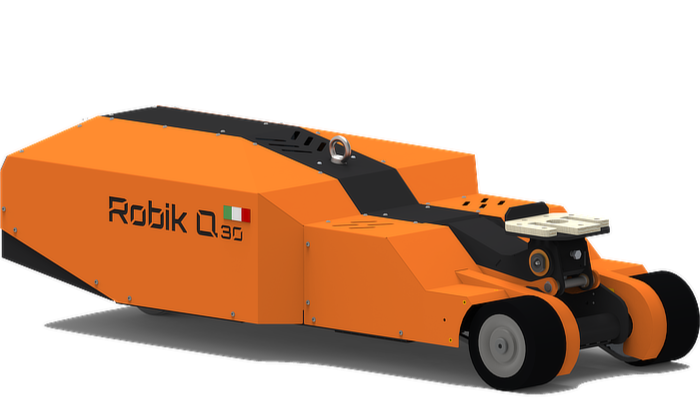
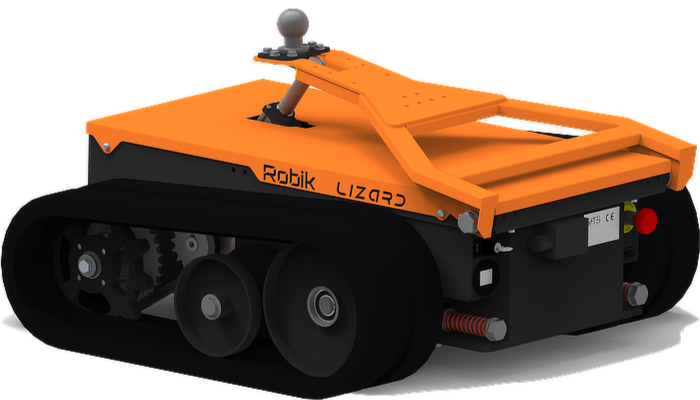
Case history: a compact electric solution for moving 60–70-tonne railway wagons in confined spaces To move a