

Industry / Intralogistics
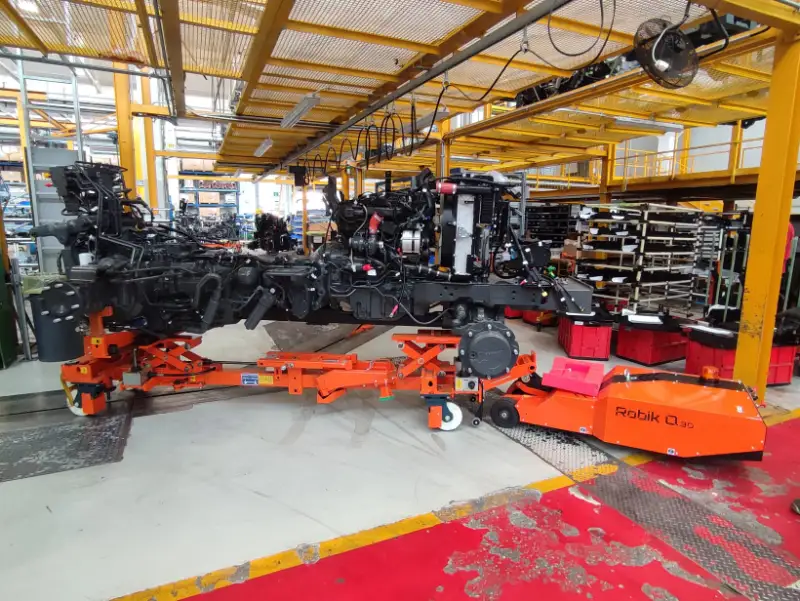
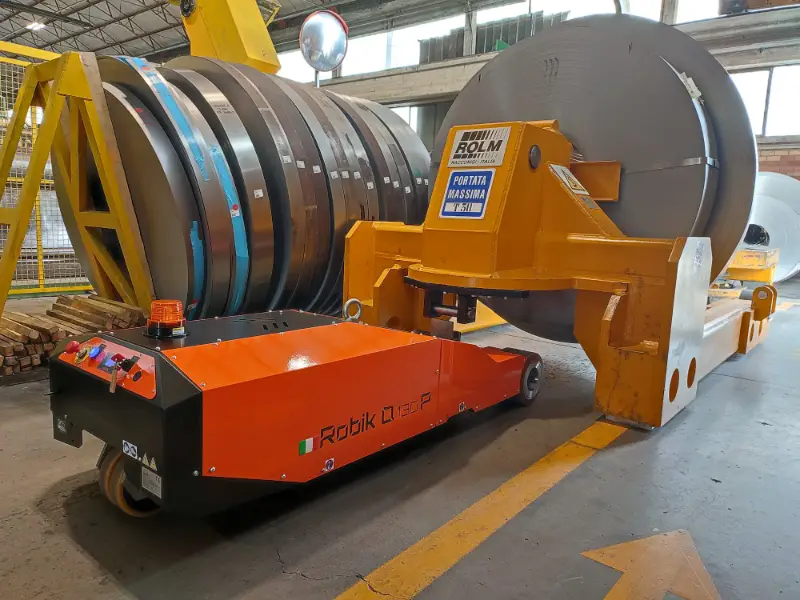
The handling of heavy loads within industrial facilities and production processes requires safe, efficient solutions that can operate effectively even in confined spaces.
Load weight, floor conditions, gradients, rolling resistance and handling frequency are key factors when choosing the most suitable industrial material handling system.
FAQ – Frequently Asked Questions
Moving heavy loads within an industrial facility requires more than simply considering the weight of the load. The type of support or trolley, wheel characteristics, floor conditions, gradients, available manoeuvring space and handling frequency must also be evaluated. Depending on the application, different handling systems can be used, including electric movers and tugs for the horizontal movement of heavy loads.
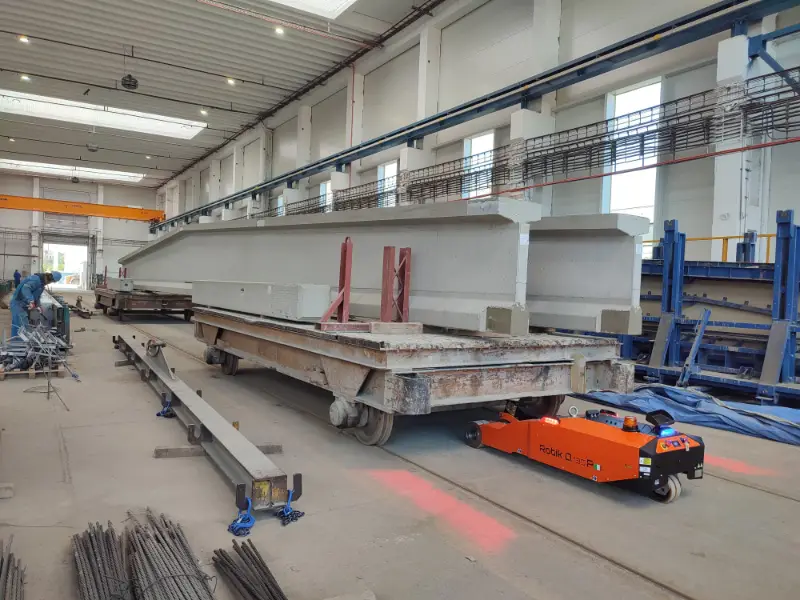
When a load is already positioned on wheels, trolleys or other movable structures, an electric mover can provide an alternative to a forklift for horizontal load movement. The most suitable solution depends on the total weight, rolling resistance, gradients, floor conditions and available manoeuvring space.
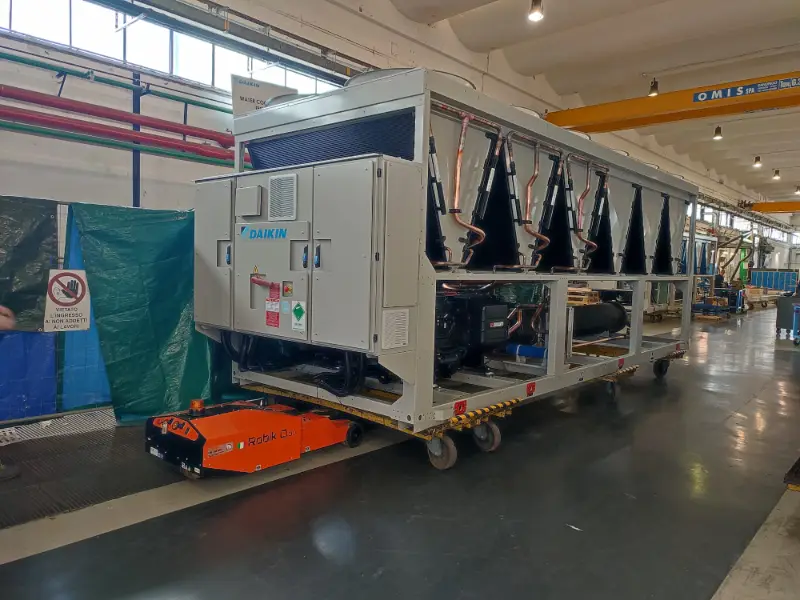
When moving generators, chillers, alternators and other heavy machinery, it is important to consider both the weight of the load and the characteristics of the support or trolley on which it is transported. Wheels, floor conditions, gradients, manoeuvring space and handling frequency determine the force required and the most suitable handling system.
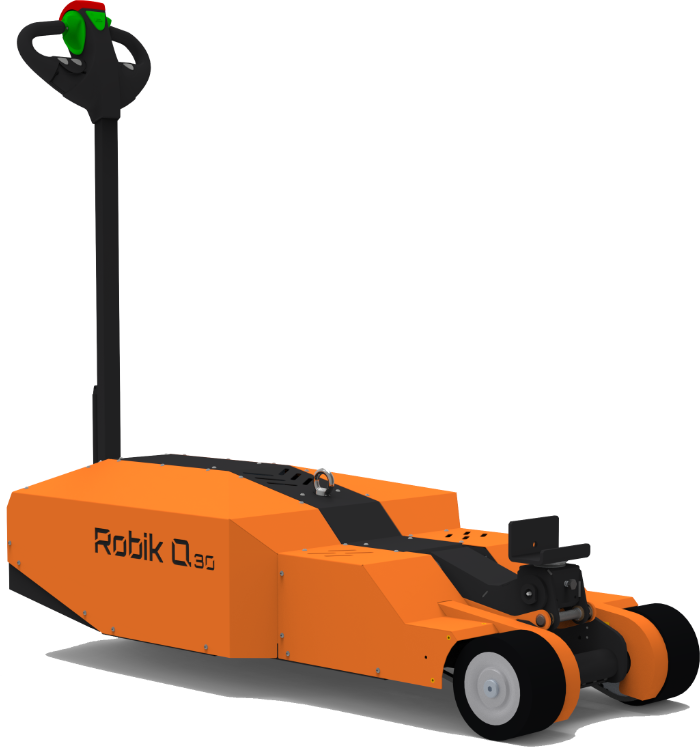


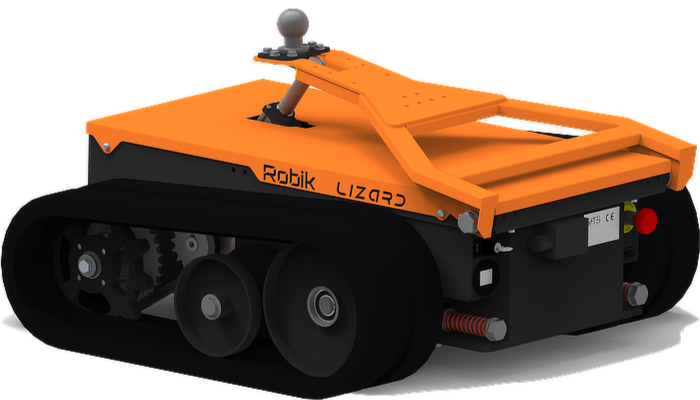
Related articles
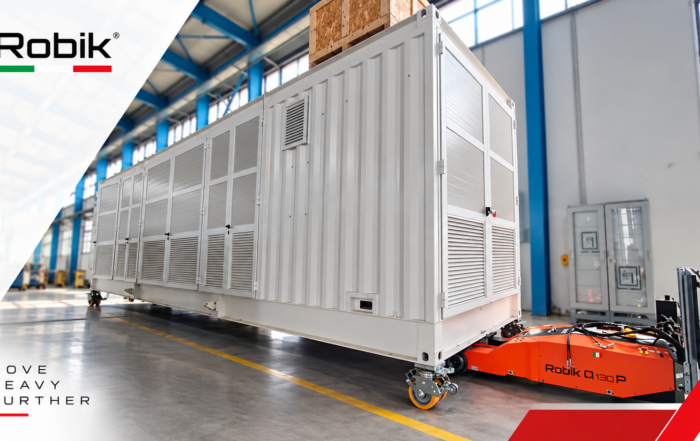
How to Move Containers Within an Industrial Facility or Production Process
Case history: from crane truck handling to a radio-controlled electric system for lifting, towing and pushing a container

How to Move Generators, Chillers and Heavy Machinery Within an Industrial Facility
Case history: a compact and flexible solution for moving large chillers along the production line and between different

How to Move Heavy Loads Within an Industrial Facility Without Using a Forklift
Case history: moving a 32-tonne wheeled load in confined spaces by eliminating the articulated connection and using Robik